


Problems & Priorities
Start with what you want your shed to do better. A workshop that is freezing in winter, a storage shed with condensation and a metal roof that amplifies rain all present different insulation priorities.
The comparison below looks at heat loss, heat gain, condensation, noise, corrosion, pests, structural resilience and appearance. Use it to focus on the conditions that affect your space and understand what each option is intended to address.
Different products address these priorities in different ways. Look at the installed system and the problems you most want to solve, then check the performance and suitability sections before deciding.
1 OF 3
Winter Heat Losses
Freezing cold shed in winter?
Steel is a highly conductive material, so it does very little to hold back the cold outside. On a frosty day, that cold passes straight through the metal roof and walls into the space inside, and gaps around the building let even more in. The result is a shed that’s hard, or even impossible, to keep warm when the temperature drops. Some forms of insulation offer only a negligible benefit for spaces trying to keep out the winter chill.
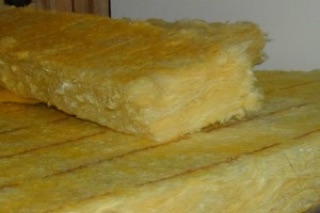
Fibreglass batts
0.5/10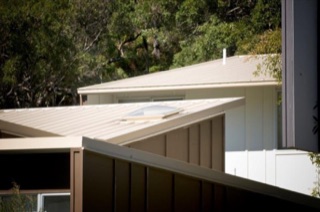
EPS panels
—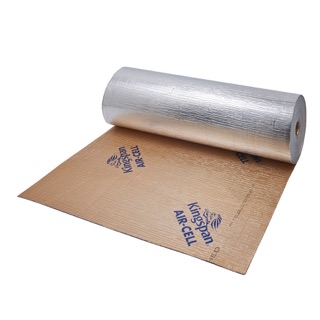
Foil/Air-Cell
0/10
Spray Foam TAS
—
DIY SPF
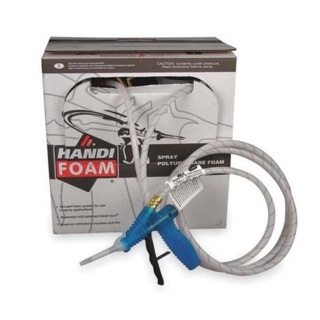
—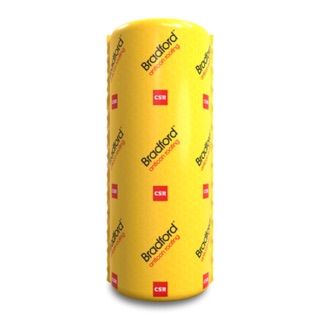
Anti-condensation blanket
0.5/10Summer Heat Gain
Ever wonder why your shed can feel like a hotbox in summer?
On a 32°C day, the surface of a metal roof can reach over 70°C. Metal absorbs solar radiation, and as a highly conductive material, it passes that heat straight into the space below.
Different insulation systems tackle this in different ways. Reflective surfaces reduce radiant heat transfer by reflecting heat back toward the roof, while bulk insulation slows the flow of heat through the building. Airspaces, installed thickness and continuity all affect how the finished system performs.
Fibreglass batts
0.5/10EPS panels
8.5/10Foil/Air-Cell
5.5/10Spray Foam TAS
—DIY SPF
—Anti-condensation blanket
0.5/10Condensation
Why does it rain inside your shed?
Condensation forms when moisture-laden air touches a surface colder than its dew point. Under a metal shed roof, that can mean droplets, drips and repeated wetting of the space below.
Some insulation choices only manage condensation. Others can eliminate it completely.
Fibreglass batts
3/10EPS panels
4.5/10Foil/Air-Cell
4.5/10Spray Foam TAS
10/10DIY SPF
9/10Anti-condensation blanket
6.5/10Soundproofing
Trying to keep the peace with your neighbours?
Rain, hail and activity inside a shed can create very different noise problems. Roof drumming, sound bouncing off hard surfaces and noise passing through the walls can all limit how and when you can use your space. Some forms of insulation absorb sound to reduce echo, some help block it from passing through, and others provide almost no benefit.
Fibreglass batts
5/10EPS panels
4/10Foil/Air-Cell
1.5/10Spray Foam TAS
9.5/10DIY SPF
9.5/10Anti-condensation blanket
7/10Rust/Corrosion
Trying to keep rust out of a new shed, or stop it spreading in an old one?
Rust needs two things to form: moisture and air. In a shed, protecting the existing roof and wall cladding means reducing the risk of condensation forming on the metal. The time to do that is before the cladding is hidden behind internal linings.
Some insulation choices can protect the metal from rust and corrosion, and even help stop existing rust from getting worse. Others can trap moisture against the metal and hide the damage.
Fibreglass batts
0/10EPS panels
2.5/10Foil/Air-Cell
0/10Spray Foam TAS
10/10DIY SPF
10/10Anti-condensation blanket
5.5/10Rodents/Pests
Sick of freeloading mice sharing your space?
Rats, mice, spiders and even snakes will make a home in your shed if they can. Gaps, junctions and voids all work as entry points, and they’re often left open even in newly built sheds.
Some insulation choices can actually invite pests in. Others can block off those entry points completely.
Fibreglass batts
0/10EPS panels
2.5/10Foil/Air-Cell
5/10Spray Foam TAS
10/10DIY SPF
10/10Anti-condensation blanket
4.5/10Structural Resilience
Worried the next strong wind might blow your shed away?
In a new shed, structural strength may not be a major concern. In an older shed, a weakened structure can seriously limit how you use it, and strong winds and storms put it to the test.
Most insulation choices do nothing for the structure. Others can bond it together and add to its resilience.
Fibreglass batts
8.5/10EPS panels
3.5/10Foil/Air-Cell
0/10Spray Foam TAS
10/10DIY SPF
10/10Anti-condensation blanket
0/10Aesthetics
Just want it to look nice?
How much looks matter depends on how you use your shed. If it’s a man cave, the internal finish may be the top priority. If it’s a workshop full of staff or a commercial space, performance comes first and appearance matters far less.
Fibreglass batts
10/10EPS panels
9/10Foil/Air-Cell
8.5/10Spray Foam TAS
7/10DIY SPF
4.5/10Anti-condensation blanket
5.5/10Performance ratings are indicative and depend on product specifications, installation conditions and the complete building system.
Ratings and product conditions
Scores are the supplied editorial comparisons. A dash means no score was supplied; N/A and zero remain distinct. Product-specific fire, electrical, acoustic, structural and warranty conditions need to be considered with the complete building system.


